

How to Sleep Better: Science-Backed Tips for Deep Rest
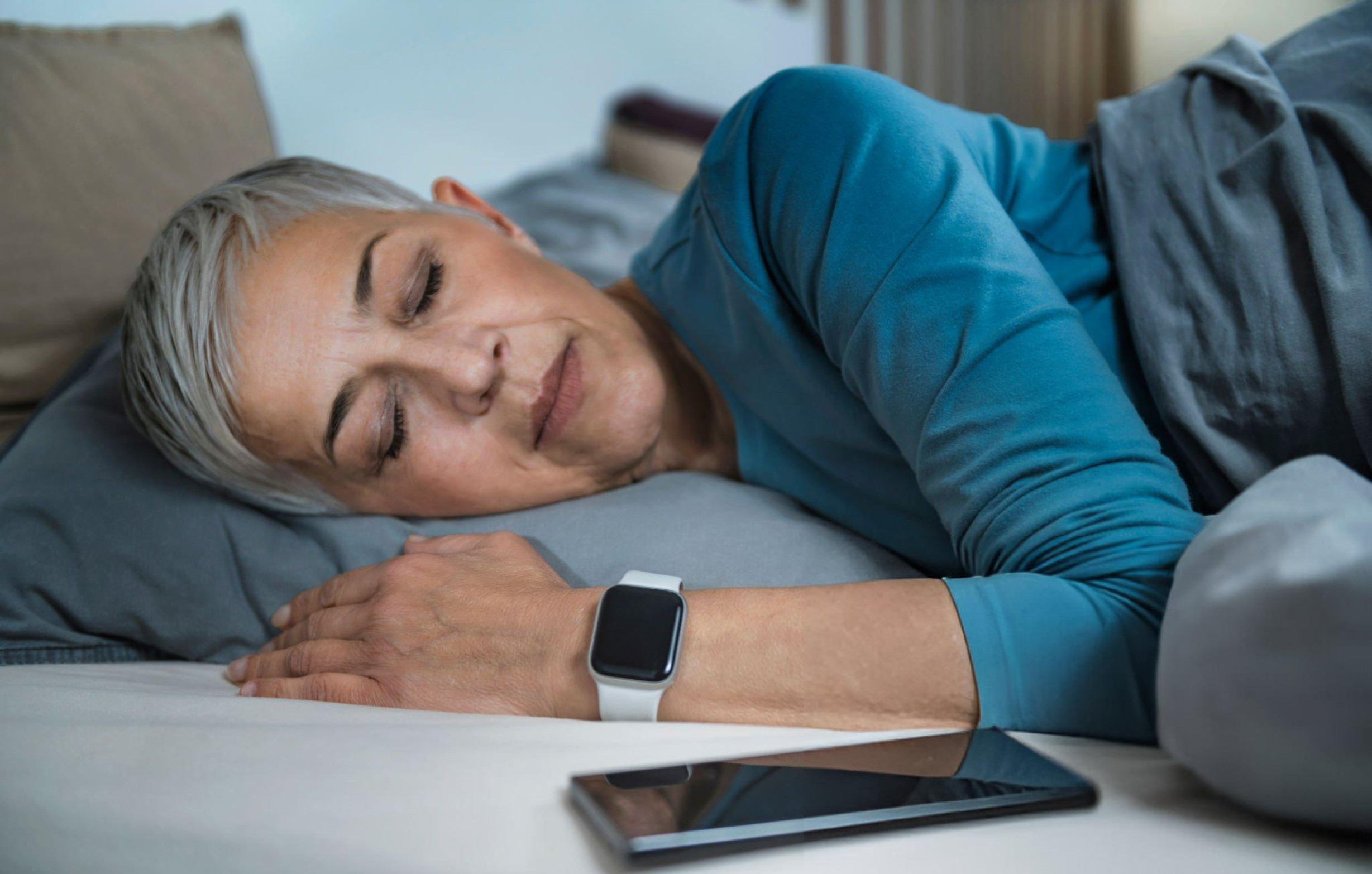
Sleep isn’t a luxury—it’s a necessity. Just like eating and breathing, good sleep is essential to our well-being. Poor sleep can weaken your immune system, impact brain function, and increase the risk of chronic diseases. If you’ve ever tossed and turned all night, you know just how much it affects your mood and productivity the next day.
In this guide, we’ll explore science-backed habits and lifestyle tweaks that promote deep, restful sleep—without the need for pills or complicated routines.
1. Stick to a Consistent Sleep Schedule ⏰
Why It Works:
Your body has an internal clock called the circadian rhythm. Going to bed and waking up at the same time every day helps regulate this clock and supports deeper sleep.
What to Do:
- Pick a bedtime and wake-up time—even on weekends.
- Avoid sleeping in or staying up late on days off.
Scientific Insight:
A study from Harvard Medical School found that irregular sleep patterns disrupt melatonin production, the hormone that makes you sleepy.
2. Create a Sleep-Inducing Environment 🛌
Why It Works:
A dark, quiet, and cool environment tells your brain it’s time to rest. Your surroundings directly affect your ability to fall and stay asleep.
Tips:
- Use blackout curtains or a sleep mask.
- Keep the room temperature between 60-67°F (15-19°C).
- Use a white noise machine or fan to block out sound.
Pro Tip:
Lavender-scented candles or essential oils can help relax your mind.
3. Avoid Stimulants and Heavy Meals Before Bed ☕️🍽️
Why It Works:
Caffeine, alcohol, and heavy meals can keep your digestive system busy or make you restless, affecting your sleep quality.
What to Avoid:
- Caffeine: Avoid after 2 PM
- Alcohol: May help you fall asleep but disrupts REM sleep
- Spicy or fatty foods: Can cause indigestion
What to Eat:
- Light snacks like bananas, almonds, or a small bowl of oats
4. Power Down Electronics 1 Hour Before Bed 📱🚫
Why It Works:
Screens emit blue light, which tricks your brain into thinking it’s still daytime. This suppresses melatonin production and delays sleep.
What to Do:
- Turn off phones, tablets, and TVs at least 60 minutes before bed.
- Try reading a physical book or listening to calming music instead.
Bonus Tip:
Use apps like f.lux or blue-light blocking glasses in the evening.
5. Develop a Pre-Sleep Routine 🛌🌌
Why It Works:
Doing the same calming activities each night helps signal to your brain that it’s time to wind down.
Examples:
- Take a warm bath
- Gentle yoga or stretching
- Write in a gratitude journal
- Listen to guided meditations
Science Says:
According to a report in The Journal of Clinical Sleep Medicine, bedtime routines are especially effective in improving sleep in both children and adults.
6. Get Natural Light During the Day ☀️
Why It Works:
Natural light during the day keeps your circadian rhythm in sync. Exposure to sunlight boosts serotonin, which later converts to melatonin at night.
What to Do:
- Spend at least 30 minutes outside daily.
- Open blinds first thing in the morning.
- Take your coffee or breakfast by the window.
Research Insight:
A study published in Environmental Health Perspectives found that workers exposed to more daylight reported better sleep and less daytime dysfunction.
7. Exercise Regularly (But Not Too Late) 🏃♂️
Why It Works:
Exercise reduces stress and anxiety, both of which are sleep disruptors. It also helps you fall asleep faster and improves sleep quality.
Best Practices:
- Aim for 30 minutes of moderate exercise most days
- Avoid intense workouts within 2 hours of bedtime
Examples:
Brisk walking, yoga, cycling, dancing, or even light weightlifting
8. Manage Stress with Mindfulness
Why It Works:
An anxious mind can keep you awake. Relaxation techniques help quiet mental chatter and promote calmness.
Try This:
- Deep breathing exercises (4-7-8 method)
- Guided imagery or sleep meditations
- Write down your thoughts before bed
Evidence:
Mindfulness-Based Stress Reduction (MBSR) programs have been shown to significantly improve sleep quality, according to the Journal of the American Medical Association (JAMA).
9. Supplement If Necessary (With Doctor’s Advice) 💊
Popular Options:
- Melatonin: Helps regulate sleep cycles
- Magnesium: Promotes relaxation
- L-theanine: Calming amino acid
Important:
Always consult a healthcare professional before adding supplements, especially if you take medications or have health conditions.
10. Track Your Sleep Patterns 🕒
Why It Works:
Understanding your sleep habits helps you identify what works and what doesn’t.
Tools to Try:
- Sleep tracking apps (e.g., Sleep Cycle, Pillow)
- Wearables like Fitbit or Oura Ring
- A simple sleep journal
What to Track:
- Bedtime and wake-up time
- How long it takes to fall asleep
- Number of awakenings during the night
Final Thoughts: Sleep Like It Matters (Because It Does)
Improving your sleep doesn’t require a complete life overhaul. Start small. Pick one or two changes and build from there. Better sleep means better health, mood, productivity, and even a stronger immune system.
Remember: good nights begin with good days, and your commitment to rest is an investment in a better life.